




Dyer Chevrolet Fort Pierce

Blog / Dyer Chevrolet Fort Pierce

GET TO KNOW YOUR CAR’S AXLES, SUSPENSION, AND BRAKES

As you drive and enjoy your car each day, it’s helpful to know whether your brakes are simply squealing due to rain or if you need to look for brake service in Ft. Pierce to replace something right away; the situation can get a lot more complicated once you introduce things like your vehicle’s suspension and axles.

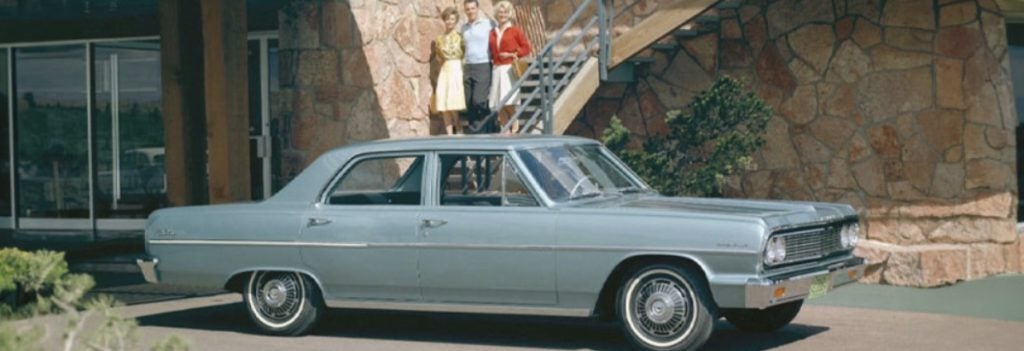
This will come as no surprise, but today’s vehicles are complicated pieces of machinery; long gone are the simple designs and engineering of the old Chevy Series C Classic Six. Modern cars, trucks, and SUVs have a tremendous amount of work put into them to ensure they are safe and comfortable and remain under control when you’re behind the wheel.

While not every driver needs to be an automotive engineer, it’s a good idea to have a basic understanding of the major components that make up your car, as this would make it easier to understand what might be wrong if you feel something off or hear a strange noise. So, let’s look at these major components to get a sense of what each one does, what you should know, and how to ensure they all remain in great working order.

First, Let’s Talk Car Axles

We could spend a lot of time discussing different types of axles, but you honestly don’t need to understand things at that level. Instead, we’ll keep things as simple as possible. There are quite a few different ways that axles are made and function these days; by and large, you won’t find many solid or dead axles on vehicles (why this is will become clear when we look at suspensions). The type of axles you have will depend on your drivetrain, which is to say, how power is transferred from your engine to your wheels.

If you have a car with rear-wheel drive (RWD), then the power goes to your rear wheels, and you’ll likely have a live rear axle that includes two half-shafts connected to your wheels and a differential between the two of them. On the other hand, if you have a front-wheel drive (FWD) car or SUV, then the power goes to your front wheels—and there’s probably a transaxle, which is a combination of a transmission and differential (since they’re both up front near the engine in this case). Finally, if you have a vehicle with all-wheel drive (AWD) or four-wheel drive (4WD), then power goes to all of your wheels, which means you’ll have differentials on the front and rear with axles designed to provide power to all four wheels.

The differential, by the way, exists to allow your powered wheels to spin at different rates, hence the name. When you make a turn while driving, the inner wheels travel less distance than the outer wheels, which means they need to spin at different rates; the differential allows this to happen. You only need this for the wheels with power since unpowered wheels are free to spin as they naturally need to, so you won’t have a differential where there’s no power to the wheels.

How to Tell When Something’s Wrong

In general, knowing when you have a problem with an axle isn’t easy as a driver, but loud noises—bumping or grinding sounds—can indicate an issue of some kind. Similarly, rough ride quality or new vibrations coming through your vehicle can mean you’ve broken or damaged an axle. Any time you notice these sorts of things, bring your vehicle to us, and we’ll take a look to see where the problem lies. Your differential also has fluid for lubrication and cooling, which needs to be checked frequently and replaced as needed, which we can do during other services.
Second, Your Suspension Is Vital

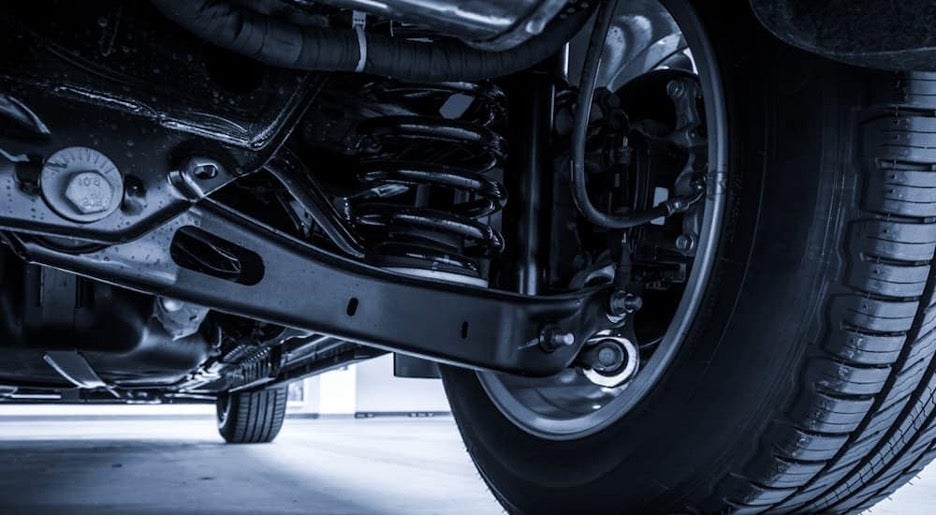
Again, the suspension on your vehicle is pretty complicated, and there are numerous types of suspensions in use these days, but we’ll keep things as simple as we can. For starters, the two major types are non-independent suspensions and independent suspensions. A non-independent suspension typically involves a live axle with two half shafts and a differential. Since these wheels are physically connected together through the live axle, the suspension springs and other components are built onto the axle itself.

An independent suspension, on the other hand, can be found where you don’t have a live axle, so the wheels aren’t connected to each other. Instead, each wheel is independently attached to the body or frame of the vehicle; therefore, different springs and suspension systems are used as part of this mounting for the wheels. You can also find vehicles with front and rear independent suspensions, which still have a differential that uses shafts to send power to the wheels. Whichever kind of suspension you have, it exists to absorb shocks from dips and bumps on the road, providing you with a smoother ride while you’re driving.

How to Tell When Something’s Wrong

One of the simplest signs that your suspension is off is when you notice you’re feeling a rougher ride than usual, though this can also indicate an axle or wheel problem. You can manually push down on your vehicle and see how it bounces afterward; it should only bounce once or twice if your suspension is in good shape. If your vehicle pulls to one side while you drive or you notice one corner of it sits lower than the rest, then this can also indicate a suspension issue we can fix.

Third, Keep Your Brakes Braking

Brakes have a simple purpose: slow and stop your vehicle. Since you typically drive at high speeds, your brakes take a lot of abuse as they function, working hard to ensure you stop when you need to. That’s why it’s important you react quickly if you notice your brakes aren’t working properly—especially before you embark on a road trip or other times you’re going to be doing a lot of driving.

There are two main types of brakes in use today: drum brakes, which use brake shoes pressed against the inside of a drum to slow you down, and disc brakes, which use brake pads squeezed against the sides of a disc to bring you to a stop. In either case, the drum or disc connects to your wheels, so these two components take all the abuse rather than your wheels themselves. You’ll typically need to replace the brake shoes and pads on a fairly routine basis, depending on your vehicle and driving habits; the drums and rotors (or discs) will also need to be replaced occasionally, though they should last longer than the shoes/pads.

How to Tell When Something’s Wrong

If you hear squealing, squeaking, or grinding coming from your vehicle when you apply the brakes, then there’s probably something wrong with them. Squealing brakes when it’s raining isn’t too unusual, but if you hear this sort of thing on dry roads, then you likely have a problem. If you feel vibrations through your car when you hit the brakes, that can also mean it’s time to replace your brake pads or shoes—or that the drums or discs have become worn down. One important thing to note: you should always replace both sets of brakes on an axle together; so if you need to replace your front right brakes, then replace the left ones up front, too. Failing to do so may cause your car to lurch to one side if you brake hard and suddenly.

Finally, Make Sure Everything Runs Beautifully

Getting the most from your vehicle means keeping it in good shape, and the best way to do this is to drive carefully and follow the service schedule set by Chevy for your model. This includes routine inspections of your axles, suspension, brakes, and more to ensure everything is in good shape and to help you find an issue before it becomes a bigger problem. The last thing you want is to be driving around Ft. Pierce, hit the brakes, and find they don’t stop you as quickly as you need them to.

Here at Dyer Chevrolet, our certified service center and technicians are ready to help you with everything you need to ensure your car, truck, or SUV keeps running well for you for a long time. Schedule a service appointment today and guarantee your vehicle is the best it can be. 

Posted in:

Related Posts

The 2026 Chevy Traverse: The 3-Row SUV Fort Pierce Families Have Been Waiting For

What Makes the 2026 Chevy Traverse Stand Out? The 2026 Chevrolet Traverse is a three-row midsize SUV starting at $40,800, with seating for up to 8 passengers, 328 horsepower from its turbocharged engine, 5,000 lbs of towing capacity, and best-in-class cargo volume of 98 cu. ft. It's available now at Dyer Chevrolet Fort Pierce. Why Are So Many Families Choosing the 2026 Chevy Traverse? The midsize SUV market is crowded, but the Traverse earns its place at the top of the conversation for a simple reason: it doesn't make you choose between space, capability, and style. The current generation Traverse was completely redesigned from the ground up with a sharper look, a more refined interior, and a powertrain that delivers more power and better efficiency than the previous V6 generation. For families in Fort Pierce, Port St. Lucie, Stuart, and across the Treasure Coast who need a vehicle that handles school pickups, weekend trips, and the occasional haul without breaking a sweat, the Traverse checks every box. How Much Space Does the 2026 Traverse Have? This is where the Traverse really earns its keep. Three rows of seating with room for up to 8 passengers on the LT trim makes it one of the most accommodating SUVs in its class. The Z71, RS, and High Country trims seat 7 comfortably with standard captain's chairs in the second row. Third-row space is actually usable for adults, not just a fold-flat afterthought. When you need cargo room, the Traverse delivers 98 cubic feet of best-in-class max cargo volume with the seats folded. That's 56.6 cu. ft. behind the second row and 22.9 cu. ft. behind the third row when you need to keep passengers in all three rows. The AutoSense Power Liftgate opens hands-free when it detects your presence — a small thing that makes a big difference when your hands are full. What Engine Does the 2026 Chevy Traverse Have? The Traverse is powered by a 2.5-liter turbocharged 4-cylinder engine producing 328 horsepower and 326 lb-ft of torque, paired with an 8-speed automatic transmission. Chevy engineered it to outperform the previous generation V6 in both output and efficiency. Fuel economy comes in at 20 MPG city and 26 MPG highway on FWD models — solid numbers for a full-size three-row SUV. The result is a family SUV that doesn't feel sluggish when fully loaded, whether you're merging onto I-95, passing on US-1, or getting everyone to the beach on time. Does the 2026 Traverse Have Towing Capability? Yes, and it's one of the Traverse's strongest selling points for Fort Pierce drivers. The 2026 Traverse tows up to 5,000 lbs with included trailering equipment — enough to pull a boat, a camper, or a trailer with ease. For families on the Treasure Coast who spend weekends on the water or exploring Florida, having a family hauler that doubles as a capable tow vehicle is a real advantage. What Are the 2026 Traverse Trim Levels? The 2026 Traverse comes in four trims, each with a clear personality: LT — Starting at $40,800 The entry point and the only trim with available 8-passenger seating. Comes standard with the 17.7-inch touchscreen, AutoSense Power Liftgate, Smart Slide Seats, and the full Chevy Safety Assist suite. Also available in Midnight and Sport Special Editions with blacked-out styling. Z71 — Starting at $48,900 Built for drivers who want to go beyond the pavement. The Z71 adds Advanced Twin-Clutch AWD, Terrain Mode, Hill Descent Control, off-road suspension, skid plate, and all-terrain tires. Seats 7. High Country — Starting at $55,100 The premium choice. Adds Super Cruise hands-free driving assistance (3-year plan included), One-Touch Fold second-row seats, power-folding second and third rows, 22-inch wheels, and top-tier interior finishes. Seats 7. RS — Starting at $55,400 The sporty option. Same Super Cruise inclusion as High Country, with RS badging, flat-bottom steering wheel, red interior décor accents, and 22-inch blacked-out wheels. Seats 7. What Technology Does the 2026 Traverse Come With? Across all trims, the Traverse is well-equipped on technology: 17.7-inch diagonal color touchscreen standard across all trims 11-inch diagonal Driver Information Center standard Google built-in compatibility with Google Assistant, Google Maps and Google Play Available HD Surround Vision for overhead camera parking assistance Available Super Cruise on High Country and RS — hands-free highway driving on over 585,000 compatible miles in the U.S. and Canada Available OnStar connected services including Wi-Fi Hotspot and safety services Is the 2026 Chevy Traverse Safe? The Traverse comes with over 20 standard safety and driver assistance features. Standard across all trims: Automatic Emergency Braking Front Pedestrian and Bicycle Braking Lane Keep Assist with Lane Departure Warning Forward Collision Alert Following Distance Indicator Reverse Automatic Braking Lane Change Alert with Side Blind Zone Alert Rear Park Assist with HD Rear Vision Camera IntelliBeam automatic headlights Higher trims add Rear Pedestrian Alert, Blind Zone Steering Assist, Intersection Automatic Emergency Braking, and more. Is the Chevy Traverse a Good Buy for Fort Pierce Drivers? For families who need three rows, want real cargo space, and don't want to compromise on power or features, the 2026 Traverse is one of the strongest options in the market. Starting at $40,800 with a full suite of standard technology and safety, it delivers genuine value across the board. Fort Pierce is also an ideal place to own a Traverse. The mix of city and highway driving plays to its strengths, and with 5,000 lbs of towing capability, you're always ready for whatever the Treasure Coast weekend throws at you. Come See the 2026 Traverse at Dyer Chevy Fort Pierce The Traverse is one of those vehicles that makes more sense once you're inside it. Come visit Dyer Chevy Fort Pierce, explore the trim levels in person, and take one for a drive. Ask us about current offers and special financing available on the 2026 Traverse. View our 2026 Chevy Traverse inventory

Chevy Blazer vs Blazer EV: Which SUV Is Right for You? If you're searching for a Chevy Blazer for sale in Fort Pierce, you may be deciding between the traditional gas-powered Blazer and the all-electric Blazer EV. Both offer strong performance, modern design, and everyday practicality. The right choice depends on how you drive and what matters most to you. Quick Answer: Chevy Blazer Gas vs EV Choose a gas Blazer (2LT) for long trips and convenience Choose Blazer EV for lower fuel costs and electric pick-up and driving Gas Blazer price: typically starts in the mid $30K range Blazer EV price: typically starts in the mid $40K range Best for Florida driving: depends on charging access and commute At Dyer Chevrolet Fort Pierce, we see many drivers choose the gas Blazer for flexibility, while those with shorter commutes are increasingly switching to the Blazer EV. What’s the Difference Between the Blazer and Blazer EV? The biggest difference is how each vehicle is powered. Gas-Powered Chevy Blazer (2LT) Traditional gasoline engine Smooth and familiar driving experience Easy refueling anywhere Ideal for road trips and long-distance driving This option works well for drivers who want convenience without changing their routine. Chevy Blazer EV Fully electric powertrain Instant acceleration and quiet ride No gas required Lower day-to-day fuel and maintenance costs For drivers in Fort Pierce looking to reduce fuel expenses, the Blazer EV is a strong option. How Much Does Each One Cost? Pricing plays a major role in the decision. Gas Blazer: mid $30,000 range depending on trim Blazer EV: mid $40,000+ depending on configuration While the EV has a higher upfront cost, many drivers offset that through fuel savings over time. What About Range and Charging? This is where EV buyers need to think carefully. Blazer EV drivers can expect: Competitive driving range for daily use Home charging convenience Access to public charging stations However, if you frequently take long road trips or do not have easy access to charging, a gas model may be the better fit. Interior & Technology Differences Both models offer modern interiors designed for comfort and connectivity. Shared features include: Touchscreen infotainment system Apple CarPlay® and Android Auto™ Spacious seating and cargo space Advanced safety technology The Blazer EV adds a more digital, futuristic layout, while the gas Blazer keeps a more traditional design. Which Chevy Blazer Is Right for You? Choose the Gas Blazer if you: Drive long distances regularly Want quick refueling anywhere Prefer a traditional driving experience Choose the Blazer EV if you: Have access to home or local charging Want to reduce fuel costs Prefer a quieter, tech-forward driving experience Explore Chevy Blazer Inventory in Fort Pierce, FL Explore our Chevy Blazer inventory, compare gas and electric models, and schedule a test drive today. Proudly serving Fort Pierce, Port St. Lucie, and surrounding areas.

The Legacy of Chevrolet: A Century of Innovation and Excellence

In 1911, William C. Durant founded Chevrolet Motor Company with a simple yet powerful vision: to create a car that every hard-working American could afford and rely on. By 1918, General Motors acquired Chevrolet, setting the foundation for what would become one of the most enduring and iconic automotive brands in history. Today, Dyer Chevrolet Fort Pierce is excited and honored to carry on this remarkable legacy. We are committed to serving the Fort Pierce community with excellent customer service, providing reliable and safe vehicles, and offering top-tier services that reflect the same dedication to quality and innovation that Chevrolet has upheld for over a century. From the Iconic Bowtie to the Future of Electric Vehicles Chevrolet’s journey through the automotive world spans over a century, marked by innovation and a commitment to quality. Shortly after its founding, Chevrolet introduced its now-famous bowtie emblem, a symbol of reliability and American craftsmanship that continues to adorn Chevy vehicles to this day. The Golden Era: 1950s and 1960s The 1950s and 1960s were transformative decades for Chevrolet, as the brand became synonymous with cutting-edge design and performance. Iconic models like the Bel Air and Corvette not only captured the hearts of drivers but also cemented Chevrolet's place as a leader in the automotive industry. The Corvette, in particular, became a symbol of American sports cars, evolving from its initial 150 horsepower to an impressive 670 horsepower in today’s models. This evolution highlights Chevrolet’s dedication to pushing the boundaries of what a car can be—transforming vehicles from mere modes of transportation into exhilarating experiences. Iconic Models of the '60s and '70s Chevrolet’s lineup from the '60s and '70s includes legendary names like the Vega, Camaro, and Monte Carlo. While the Monte Carlo and Vega are now found primarily in classic car collections, the Camaro continues to thrill drivers with its modern updates and timeless appeal. Chevrolet’s innovation hasn’t slowed down; the brand is leading the way into the future with groundbreaking models like the all-electric Silverado pickup truck, Equinox EV, and Blazer EV, alongside popular vehicles such as the Traverse and Malibu. This relentless pursuit of excellence traces back to Durant’s original vision, proving that the best ideas—and the best cars—truly do stand the test of time. Explore Chevrolet’s Rich History Chevrolet’s history is filled with stories of innovation, resilience, and a commitment to providing vehicles that meet the needs of every driver. If you’re interested in learning more about Chevrolet’s past, present, and future, we invite you to visit Dyer Chevrolet Fort Pierce. Our team is here to share more about the legacy of Chevrolet and how it continues to shape the automotive world today. Whether you’re searching for new cars for sale, used cars for sale, new trucks for sale, have questions about servicing your Chevy vehicle, or are intrigued by Chevrolet's rich history, Dyer Chevy is here to assist you. Our dedicated team is ready and eager to help, ensuring you leave not only more informed about the Chevrolet brand but also confident in the model you choose to drive home.