Dyer Chevrolet Fort Pierce

Blog / Fort Pierce Chevrolet Service

Blog

All Fort Pierce Chevrolet Service Dyer Chevrolet Fort Pierce Fort Pierce Chevrolet Dealer Dyer Chevrolet Fort Pierce Service Fort Pierce Used Cars

Summer Maintenance Tips for Your Chevy: Get Ready for the Season!

Schedule Service Here Summer in Fort Pierce is not just about sun-drenched beaches and longer days; it's also the time to ensure your Chevy is ready to handle the heat with ease. At Dyer Chevrolet Fort Pierce Service Department, we understand that your car is an integral part of summer adventures, and we're here with some expert tips to keep your Chevy cruising smoothly through the season. Embrace the Heat with Confidence Cool Down and Cruise: Before you hit the road for that long-awaited road trip, let’s make sure your Chevy’s air conditioning is up to the task. A quick inspection can prevent you from facing the sweltering summer heat on your own. Our team checks for any signs of wear in belts and hoses and ensures your AC is cold enough to turn your car into a refreshing escape from the heat. Stay Cool Under the Hood: The rising temperatures can be tough on your engine. Checking and topping off your coolant levels is a quick but crucial task that helps prevent your Chevy from overheating. Remember, an overheated engine can quickly sideline your summer plans, so this check is a must-do before the season heats up. Keep Your Chevy Running Smoothly Stick to Your Maintenance Schedule: Are you gearing up for an adventure in your Chevrolet Suburban, hitting the race track in your Camaro, or navigating city streets in your Chevy Equinox? Each of these activities puts unique demands on your vehicle, underscoring the importance of regular maintenance tailored to your driving habits. Sticking to your Chevy’s maintenance schedule is key. A regular oil change, ideally every 7,500 to 10,000 miles, is essential. Fresh oil keeps your engine parts well-lubricated and less prone to overheating. Check Your Treads and Brakes: Summer can be tough on tires. Use the simple penny test to check your tread depth: insert a penny into the tire groove with Lincoln’s head upside down. If you can see all of his head, it's time for tire service. Don't forget to check your brakes too; responsive brakes are crucial for those unexpected summer showers. Battery Health is Wealth: High temperatures can strain your battery. Ensure your summer is uninterrupted by scheduling a battery inspection. This way, you avoid the inconvenience of a car that won’t start when you’re trying to enjoy your summer outings. Diagnostics: The Preventative Measure Even if everything seems fine, scheduling a diagnostic test is a proactive way to catch potential issues like misfiring cylinders before they escalate. It’s better to spot these problems early than to find yourself stuck on the side of the road. Ready to Roll? Are you ready to get your Chevy summer-ready? Visit us at Dyer Chevrolet Service, where our expert team is eager to assist. Whether you need a detailed check-up or just want some advice on summer car care, we’re here to help. This summer, drive with confidence knowing your Chevy is in top condition! Remember, a little maintenance goes a long way. Let's ensure your Chevy is all set to deliver a summer filled with smooth and safe drives. Schedule your visit today and make this summer effortlessly enjoyable!

Essential Brake Maintenance Tips at Dyer Chevy Fort Pierce

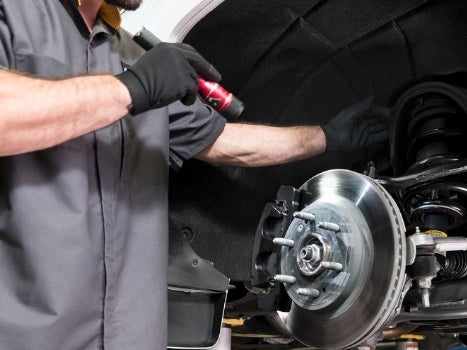
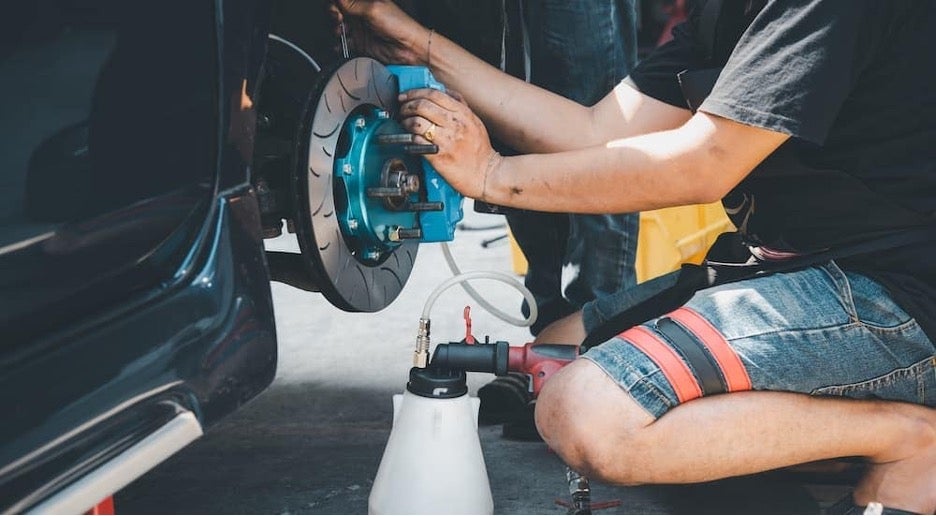
Schedule Your Service At Dyer Chevy Fort Pierce, we often get questions about vehicle maintenance, particularly concerning the vital braking system. Understanding how to maintain and when to service your brakes is crucial for optimal vehicle performance and safety. Here, we aim to clear up common misconceptions and provide essential information about brake repairs, pads, rotors, and more, ensuring you drive with confidence and security. Understanding How Brakes Function Many first-time car buyers are curious about how brakes work. The process begins when you press the brake pedal, which activates a push rod that presses into a master cylinder, sending brake fluid through lines to the wheel calipers. This fluid pressure forces the calipers to clamp the brake pads onto the rotors attached to each wheel, creating friction that slows and eventually stops your vehicle. Common Brake Repairs One frequent brake repair is replacing the brake pads, typically necessary every 30,000 miles depending on your driving style and vehicle usage. High-performance driving or frequent city driving might require more frequent changes. It’s a good practice to have your brakes inspected during routine services like oil changes or tire rotations, as uneven tire wear may indicate brake issues. The Role and Maintenance of Brake Fluid Brake fluid is critical as it powers the hydraulic braking system. Without sufficient fluid, your brakes will fail to function correctly. It’s recommended to change brake fluid every two years or 30,000 miles, although this may vary based on climate and vehicle specifications. If you notice a decrease in braking efficiency or a need to press the pedal harder, it might be time to check and possibly replace your brake fluid. How Rotors Function and When to Service Them Rotors are crucial for braking as they provide the surface against which the pads press to stop the vehicle. If you hear squeaking or grinding or feel vibrations in the steering wheel while braking, it could indicate that your rotors need attention. Resurfacing rotors every 30,000 miles can extend their life and improve brake pad performance. However, some modern vehicles feature rotors that aren't suitable for resurfacing and must be replaced instead. Preventative Maintenance for Brakes Effective brake maintenance involves more than just addressing immediate repair needs; it includes preventative measures to ensure long-term functionality. During a brake service, technicians at Dyer Chevy Fort Pierce Service will inspect your brake system thoroughly, replace worn components, and flush the brake fluid to eliminate any debris or air bubbles that could impair braking performance. Genuine Quality Guaranteed at Dyer Chevy Service At Dyer Chevy Fort Pierce, we use only OEM parts to guarantee the highest quality and compatibility with your vehicle, ensuring that each component performs as intended. Whether you need a routine check-up or a more comprehensive brake overhaul, our expert technicians are equipped to provide top-tier service. Visit Dyer Chevy Fort Pierce for Expert Brake Service Maintaining your vehicle's brakes is essential for ensuring safe driving and extending the life of your car. So, the next time you hear unusual noises or experience prolonged braking times, skip the search for ‘ Chevy service near me’ and head straight to Dyer Chevy Fort Pierce Service. Our dedicated team is committed to providing top-notch service and expert advice. Book your next brake service with us and enjoy the confidence of knowing your vehicle is in the hands of skilled professionals.

Give Your Engine a Breath of Fresh Air with a Filter Replacement

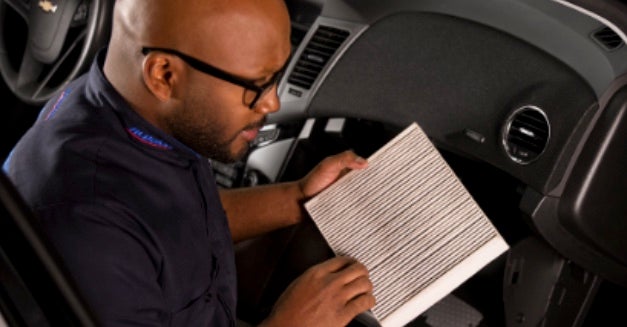
Schedule Service At Dyer Chevrolet Fort Pierce Service, while oil changes and tire rotations often take the spotlight in car maintenance, there's another critical component that deserves your attention: your car's air filter. It might seem like a small part of your vehicle's complex system, but the role it plays in maintaining your car's performance is anything but minor. How Does the Air Filter Impact Your Car? The air filter is a key player in your engine's overall health. It ensures that the air pulled into your engine is free of contaminants like dust, pollen, and other airborne debris. A clean air filter helps to maintain efficient fuel combustion, which means better fuel efficiency and enhanced engine performance. Ignoring it can lead to a buildup that chokes your engine's ability to function optimally. Why Replace Your Air Filter Regularly? Replacing your car’s air filter is crucial for several reasons: Enhanced Engine Efficiency: A clean air filter allows for an optimal mix of air and fuel, which is critical for the efficient performance of your engine. Improved Fuel Economy: With the correct air intake, your engine can maintain its designed fuel efficiency, saving you money at the pump and reducing your environmental impact. Prolonged Engine Life: Regular replacement of the air filter protects critical engine parts from premature wear and damage by preventing abrasive particles from entering the engine. Cost Savings: Regular maintenance of the air filter is a small expense that prevents larger, more costly engine problems down the road. Recognizing the Signs of a Clogged Air Filter A clogged air filter can manifest in several ways: Reduced Fuel Efficiency: If you're visiting the gas station more frequently, it could be due to a dirty air filter reducing your engine's efficiency. Weakened Engine Performance: Difficulty accelerating or a noticeable decline in power might indicate that your engine isn't getting the clean air it needs. Unusual Engine Sounds: Listen for coughing or popping sounds, which can suggest that your engine is struggling to "breathe." Visible Exhaust Smoke: If you see an unusual amount of smoke coming from your exhaust, it might be due to an improper air-to-fuel ratio caused by a dirty air filter. Illuminated Check Engine Light: Never ignore your check engine light, as it could indicate that reduced airflow is putting undue stress on your engine. When to Change Your Air Filter The general rule of thumb is to change your air filter every 12,000 to 15,000 miles, but this can vary depending on driving conditions and vehicle type. If you frequently drive in dusty or polluted environments, you might need to replace the air filter more often. Complete Care for Your Vehicle at Dyer Chevy Fort Pierce Don’t overlook the importance of this simple yet essential component. At Dyer Chevy Fort Pierce Service, our expert technicians are ready to assist you with air filter inspections and replacements, ensuring your vehicle performs optimally and remains reliable. We use high-quality, genuine Chevy parts to guarantee that every service meets the highest standards. Schedule Your Chevy Service Today! Schedule your next service appointment with us today. Keep your engine breathing easily and your car running smoothly with routine air filter checks and replacements at Dyer Chevy Fort Pierce, where your vehicle’s health is our top priority.

7 Ways You Might Be Damaging Your Car's Battery

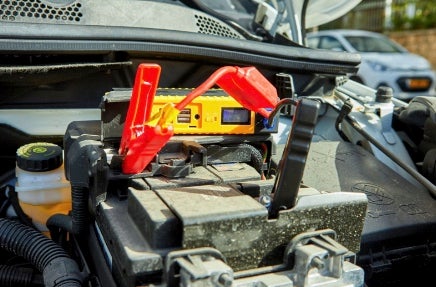
Your car's battery is like its heart, pumping energy to start your engine and power your vehicle's electrical systems. Unfortunately, certain habits can shorten its lifespan. Here at Dyer Chevy Fort Pierce, we want to help you keep your car running smoothly. Looking for chevy service near me? - Schedule your service at Dyer Chevy Fort Pierce Service Today! Let’s look at seven common mistakes that could be hurting your car’s battery. 1. Not Driving Regularly If your car sits unused for long periods, your battery can slowly lose its charge. To keep your battery healthy, try to drive your car regularly. Even a short drive once a week can help maintain the battery’s charge. 2. Frequent Short Trips Short trips can be just as harmful as no trips at all. Starting your car uses a lot of battery power, and short drives don’t give it enough time to recharge fully. If your routine involves many short drives, consider taking a longer route occasionally or using a battery charger periodically. 3. Leaving Lights On We’ve all done it – you come home, go inside, and forget your headlights or dome light is on. These lights can drain your battery fast. Always double-check to ensure all lights are off when you exit your vehicle. 4. Extreme Temperatures Both hot and cold weather can be tough on your battery. High temperatures can cause battery fluid to evaporate, damaging the internal structure, while cold weather can make it harder for your battery to perform. If you live in an area with extreme weather, consider insulating your battery or parking in a garage to help protect it. 5. Loose or Corroded Battery Connections A loose battery cable or corroded terminals can interfere with your battery’s ability to charge and start your engine. Keep an eye on your battery terminals and clean any corrosion with a mixture of baking soda and water. Ensure the connections are tight and secure. 6. Using Electronics While the Engine is Off Using your car’s radio, charging devices, and using other electronics while the engine is off can drain your battery. These activities should be kept to a minimum when the car isn’t running. 7. Not Performing Regular Maintenance Like any other car part, batteries benefit from regular checks. Have your battery tested during routine vehicle maintenance to ensure it’s charging correctly and doesn’t show signs of wear. This simple step can help extend its life. Keep Your Battery Running Longer Taking care of your car’s battery isn’t just about extending its life; it’s about ensuring your car is reliable when you need it most. At Dyer Chevrolet Fort Pierce, we’re here to help with all your vehicle maintenance needs. Visit us for a battery check and service to ensure your car keeps running smoothly. Remember, a little attention can go a long way in keeping your car’s battery healthy! Schedule Your Service Here

Keep Your Chevrolet Silverado in Top Shape with Dyer Chevrolet Fort Pierce's Expert Service

The Chevrolet Silverado, a long-time favorite among pickup trucks, continues to demonstrate its capability and reliability. Known for its hardy performance at construction sites, towing duties to serene lake houses, and enduring rough terrains, the Silverado is more than just a vehicle; it's a dependable partner for work and leisure. As we celebrate National Car Care Appreciation Month this April, it's the perfect time to focus on the proper maintenance of your trusted truck. For those searching Chevy service near me - look no further than Dyer Chevy Fort Pierce Service! Owning a 2024 Chevrolet Silverado means embracing the responsibility to maintain its top condition. Regular maintenance might not be the most exciting aspect of owning a truck, but it's crucial for ensuring your Silverado's longevity and reliability. Here at Dyer Chevy Fort Pierce Service, our certified Chevrolet technicians are committed to providing your vehicle with the best care possible. Every 7,500 Miles: Essential Care for Your Silverado Our on-site service center is staffed with experts who understand every inch of your Silverado. During your initial visit at 7,500 miles, our technicians will change your engine oil and replace your oil filter—vital steps to extend your engine's life and avoid costly repairs. They’ll also check your battery for corrosion, inspect tires for uneven wear, and may perform a wheel alignment if needed. Additionally, your wipers, steering, suspension, chassis components, and more will be thoroughly inspected to ensure everything is in optimal condition. Every 25,500 Miles: Keeping the Inside as Good as New After 25,500 miles, it's time to focus on the internal conditions of your truck. Our technicians will replace the cabin air filter to enhance the air quality inside your vehicle. Around this mileage, we also inspect and possibly replace the engine air filter to prevent performance dips, and check the fuel filter, which is essential for maintaining clean fuel flow to the engine. Every 45,000 Miles: Advanced Maintenance for Advanced Mileage By the time your truck hits 45,000 miles, more comprehensive checks are necessary. This includes servicing your brakes—a critical safety feature—and replacing brake fluid if it's been three years or longer. For 4WD models, changing the transfer case fluid is also on the agenda, ensuring your Silverado is ready for any challenge, on any terrain. Every 97,500 Miles: Fine-Tuning for Continued Excellence Reaching 97,500 miles is a significant milestone that calls for replacing spark plugs and checking ignition wires. These components are essential for efficient engine performance and smooth operation. Every 150,000 Miles: Long-Term Health of Your Silverado When your Silverado reaches 150,000 miles, it's time to focus on the cooling system. Our service team will drain and flush the coolant system and inspect the engine accessory drive belts to prevent any potential breakdowns. Schedule Your Service Today at Dyer Chevy Fort Pierce Service Department At Dyer Chevrolet Fort Pierce, we not only care for your vehicle but also value your experience. During National Car Care Appreciation Month and beyond, trust our certified Chevrolet technicians to keep your Silverado running at its best. Visit us for your next service appointment, and while you're here, explore our wide range of new and pre-owned vehicles. Contact us today to schedule your visit and ensure your Chevrolet Silverado continues to meet every challenge head-on.

GETTING THE MOST FROM YOUR ENGINE EVERY MILE AHEAD

Our customers know we’re the best place to find affordable used cars near Ft Pierce because of our incredible selection, competitive pricing, and customer-centric approach. We go to great lengths to give our customers the best experience, from hand-selecting and thoroughly vetting our used models to operating with transparency and integrity. That’s why, when we’re asked, “How long can I expect the engine in this vehicle to run?” we answer openly and honestly. We genuinely can’t put a specific timeline on the life of your engine, but that doesn’t mean we can’t help you. Despite our decades of experience in the automotive industry, we don’t have a crystal ball to know how long an engine—or any automotive component—will last; no one does. Instead, we can offer our support and become partners—and that partnership starts by educating you on the factors that affect the lifespan of an engine and everything you can do to extend its longevity and get the most from your investment. So, while we may not be fortune tellers, we’re happy to set you up for success behind the wheel. We’ll help you find the perfect cheap used car to reliably get you around Vero Beach and anywhere else life takes you. Our work starts now with understanding engine longevity and your role in getting the most out of your next vehicle—so let’s get started… Engine Longevity—Is It Predictable? If we could foresee the future, we’d use our superpowers for good to benefit our customers. We would predict the lifespan of your car battery and the longevity of your car engine, minimizing the inconvenience that comes with a dead battery and the costly expenses of a failing powertrain. So, why can’t we predict the future? Why hasn’t the industry found a way to answer these age-old questions? Advancements = Progress Consider the automotive industry of a century ago when automakers like Chevrolet and Ford helped put the world on wheels by introducing the first automobiles. At the same time, innovators developed an electric powertrain, anticipating that the concept would catch on because they couldn’t fathom drivers would want to operate a vehicle reliant on thousands of miniature explosions for power. Coincidentally, those early electric vehicles never gained traction, as Americans fell in love with the gas-powered automobile. It’s taken a century for electric vehicles to gain a foothold in the industry, but how does this relate to engine longevity? It reflects the industry’s continual evolution, with advancements in every aspect of automotive design progressing the industry forward to satiate our driving needs and expectations. We want more power, so automakers have developed more potent powertrains, some reliant on fuel and others on electricity. We ask for more luxury and technologies, and automakers don’t hesitate as they deliver tenfold. This evolution is prominent when you look at the lifespan of engines and how much we’re getting from our cars today. Engines are built with higher-quality components that last longer, meaning drivers reap the rewards of investing in a vehicle that can run longer. For decades, Honda and Toyota cornered the market on car longevity, with models like the Accord, Civic, and Camry touted for their ability to log over 200,000 miles and still have plenty of life left to offer on the used lot. Fortunately, Honda and Toyota now share the spotlight as engines are engineered to last for longer than ever before. The Impossibility of Prediction So, if industry advancements produce better-quality and longer-lasting engines, why can’t we predict an engine’s lifespan or how many miles a car will run? Well, there’s more than engine quality to consider. What do we mean? An engine’s design plays a significant role in its operability—particularly the materials used. Most engines rely on a combination of iron and aluminum components that offer heightened durability and greater longevity that can effectively withstand extreme conditions under the hood. However, there’s far more at play, like your driving style and the demands on the engine as you navigate your life in Vero Beach. For example, it would be easy to say that the engine in a Chevy Silverado 1500 will last ten years or 150,000 miles. However, that prediction doesn’t account for how the truck is driven or how the engine is maintained. If the Silverado 1500 spends most of its time towing heavy loads, the engine is forced to work harder and might not reach the 150,000-mile mark. Alternatively, a Silverado 1500 with a spotless maintenance record might still run without a hiccup at 200,000 miles. Your Role in Engine Longevity Predicting the lifespan of an engine may be impossible, but that doesn’t eliminate your impact or minimize your responsibilities as a car owner in Vero Beach. You can set your vehicle up for success by recognizing your role in your engine’s performance and taking the critical steps to extend its longevity, unpredictable as it is. So, what do those responsibilities look like, and how can you positively impact your engine’s performance as you navigate your life in Vero Beach? Preventative Maintenance Every internal combustion engine relies on oil and other fluids to operate efficiently and generate the necessary power to get you from Point A to Point B. Preventative maintenance is the best way to ensure your engine and its fluids are in excellent operating order, from the oil to the coolant. For example, routine oil changes are a must because of the critical role oil plays in lubricating, cleaning, and cooling your engine. As the components work, they rub against one another, generating friction or excessive heat. The oil minimizes this friction as a lubricant, reducing the operating temperature and collecting dirt and debris. Over time, the oil quality and levels diminish, with the fluid eventually turning to sludge and losing its effectiveness. This forces your engine to work harder, which leads to excessive wear and tear. Routine oil changes mitigate this wear and tear by replacing the engine oil and filter, heightening your engine’s performance and longevity as you run errands in Vero Beach, manage your commute, or venture beyond the city limits with the family. Know Your Driving Habits Beyond preventative or routine maintenance, the second most important thing you can do to extend the lifespan of your engine is to be mindful of your driving style and make a few adjustments as needed. While many people prefer to drive fast as they navigate Vero Beach traffic, slow and steady always wins the race—especially when it comes to your engine. Speeding and aggressive driving habits—like rapidly accelerating and then hitting the brakes—cause more wear and tear on the engine because you’re forcing it to work harder. Instead, following the speed limit keeps you safe, improves your engine’s efficiency, and gives you more time to respond to avoid harsh acceleration or deceleration. Finding the Ever-Elusive Crystal Ball Shopping for a cheap used car near Vero Beach is exciting because it means working with our team to get the most for your money without compromise. A used car, truck, or SUV is an excellent investment that puts your money to work, often meaning you can afford a top-tier trim with every feature imaginable for a fraction of the new car sticker price. More importantly, you can confidently get behind the wheel of a used car, knowing we’ve thoroughly vetted every model to ensure it meets our high-quality standards. But what about that ever-elusive crystal ball? While predicting how long an engine will last is impossible, you can make a smart investment by looking at the CARFAX history report and asking for any available maintenance records. You can also look at the mileage on the odometer compared to its age, roughly averaging how many miles it was driven each year to determine if it has a higher odometer count than average. Then, when you’re ready to make your investment, you can do so knowing that getting the most out of the engine and your used car comes back to you, your driving style, and your responsibility for routine and preventative maintenance.

GET TO KNOW YOUR CAR’S AXLES, SUSPENSION, AND BRAKES

As you drive and enjoy your car each day, it’s helpful to know whether your brakes are simply squealing due to rain or if you need to look for brake service in Ft. Pierce to replace something right away; the situation can get a lot more complicated once you introduce things like your vehicle’s suspension and axles. This will come as no surprise, but today’s vehicles are complicated pieces of machinery; long gone are the simple designs and engineering of the old Chevy Series C Classic Six. Modern cars, trucks, and SUVs have a tremendous amount of work put into them to ensure they are safe and comfortable and remain under control when you’re behind the wheel. While not every driver needs to be an automotive engineer, it’s a good idea to have a basic understanding of the major components that make up your car, as this would make it easier to understand what might be wrong if you feel something off or hear a strange noise. So, let’s look at these major components to get a sense of what each one does, what you should know, and how to ensure they all remain in great working order. First, Let’s Talk Car Axles We could spend a lot of time discussing different types of axles, but you honestly don’t need to understand things at that level. Instead, we’ll keep things as simple as possible. There are quite a few different ways that axles are made and function these days; by and large, you won’t find many solid or dead axles on vehicles (why this is will become clear when we look at suspensions). The type of axles you have will depend on your drivetrain, which is to say, how power is transferred from your engine to your wheels. If you have a car with rear-wheel drive (RWD), then the power goes to your rear wheels, and you’ll likely have a live rear axle that includes two half-shafts connected to your wheels and a differential between the two of them. On the other hand, if you have a front-wheel drive (FWD) car or SUV, then the power goes to your front wheels—and there’s probably a transaxle, which is a combination of a transmission and differential (since they’re both up front near the engine in this case). Finally, if you have a vehicle with all-wheel drive (AWD) or four-wheel drive (4WD), then power goes to all of your wheels, which means you’ll have differentials on the front and rear with axles designed to provide power to all four wheels. The differential, by the way, exists to allow your powered wheels to spin at different rates, hence the name. When you make a turn while driving, the inner wheels travel less distance than the outer wheels, which means they need to spin at different rates; the differential allows this to happen. You only need this for the wheels with power since unpowered wheels are free to spin as they naturally need to, so you won’t have a differential where there’s no power to the wheels. How to Tell When Something’s Wrong In general, knowing when you have a problem with an axle isn’t easy as a driver, but loud noises—bumping or grinding sounds—can indicate an issue of some kind. Similarly, rough ride quality or new vibrations coming through your vehicle can mean you’ve broken or damaged an axle. Any time you notice these sorts of things, bring your vehicle to us, and we’ll take a look to see where the problem lies. Your differential also has fluid for lubrication and cooling, which needs to be checked frequently and replaced as needed, which we can do during other services. Second, Your Suspension Is Vital Again, the suspension on your vehicle is pretty complicated, and there are numerous types of suspensions in use these days, but we’ll keep things as simple as we can. For starters, the two major types are non-independent suspensions and independent suspensions. A non-independent suspension typically involves a live axle with two half shafts and a differential. Since these wheels are physically connected together through the live axle, the suspension springs and other components are built onto the axle itself. An independent suspension, on the other hand, can be found where you don’t have a live axle, so the wheels aren’t connected to each other. Instead, each wheel is independently attached to the body or frame of the vehicle; therefore, different springs and suspension systems are used as part of this mounting for the wheels. You can also find vehicles with front and rear independent suspensions, which still have a differential that uses shafts to send power to the wheels. Whichever kind of suspension you have, it exists to absorb shocks from dips and bumps on the road, providing you with a smoother ride while you’re driving. How to Tell When Something’s Wrong One of the simplest signs that your suspension is off is when you notice you’re feeling a rougher ride than usual, though this can also indicate an axle or wheel problem. You can manually push down on your vehicle and see how it bounces afterward; it should only bounce once or twice if your suspension is in good shape. If your vehicle pulls to one side while you drive or you notice one corner of it sits lower than the rest, then this can also indicate a suspension issue we can fix. Third, Keep Your Brakes Braking Brakes have a simple purpose: slow and stop your vehicle. Since you typically drive at high speeds, your brakes take a lot of abuse as they function, working hard to ensure you stop when you need to. That’s why it’s important you react quickly if you notice your brakes aren’t working properly—especially before you embark on a road trip or other times you’re going to be doing a lot of driving. There are two main types of brakes in use today: drum brakes, which use brake shoes pressed against the inside of a drum to slow you down, and disc brakes, which use brake pads squeezed against the sides of a disc to bring you to a stop. In either case, the drum or disc connects to your wheels, so these two components take all the abuse rather than your wheels themselves. You’ll typically need to replace the brake shoes and pads on a fairly routine basis, depending on your vehicle and driving habits; the drums and rotors (or discs) will also need to be replaced occasionally, though they should last longer than the shoes/pads. How to Tell When Something’s Wrong If you hear squealing, squeaking, or grinding coming from your vehicle when you apply the brakes, then there’s probably something wrong with them. Squealing brakes when it’s raining isn’t too unusual, but if you hear this sort of thing on dry roads, then you likely have a problem. If you feel vibrations through your car when you hit the brakes, that can also mean it’s time to replace your brake pads or shoes—or that the drums or discs have become worn down. One important thing to note: you should always replace both sets of brakes on an axle together; so if you need to replace your front right brakes, then replace the left ones up front, too. Failing to do so may cause your car to lurch to one side if you brake hard and suddenly. Finally, Make Sure Everything Runs Beautifully Getting the most from your vehicle means keeping it in good shape, and the best way to do this is to drive carefully and follow the service schedule set by Chevy for your model. This includes routine inspections of your axles, suspension, brakes, and more to ensure everything is in good shape and to help you find an issue before it becomes a bigger problem. The last thing you want is to be driving around Ft. Pierce, hit the brakes, and find they don’t stop you as quickly as you need them to. Here at Dyer Chevrolet, our certified service center and technicians are ready to help you with everything you need to ensure your car, truck, or SUV keeps running well for you for a long time. Schedule a service appointment today and guarantee your vehicle is the best it can be.


Contact Us

Fill out this form below and we'll contact you shortly
*Required Fields